India growth outlook steady as economists warn informal sector bears brunt of Iran war shock
Bengaluru— India’s economic growth outlook remains broadly stable despite disruptions caused by the U.S.-Israeli war with Iran, but economists warned the country’s vast informal sector is already facing significant stress that may not be fully reflected in official GDP data, according to a Reuters poll.
India’s gross domestic product is expected to grow 6.7% in the fiscal year ending March 2027, unchanged from the March forecast in a Reuters poll conducted between April 20 and April 27 among 54 economists. That would mark a slight slowdown from the 7.0% growth estimated for the year ended March 31, 2026.
Forecasts for fiscal 2026-27 ranged from 5.9% to 7.5%, while growth was projected to edge up to 6.8% in 2027-28.Economists said the headline outlook masks deeper strain in the informal economy, where businesses and workers are more vulnerable to higher fuel costs, supply disruptions and weaker demand.
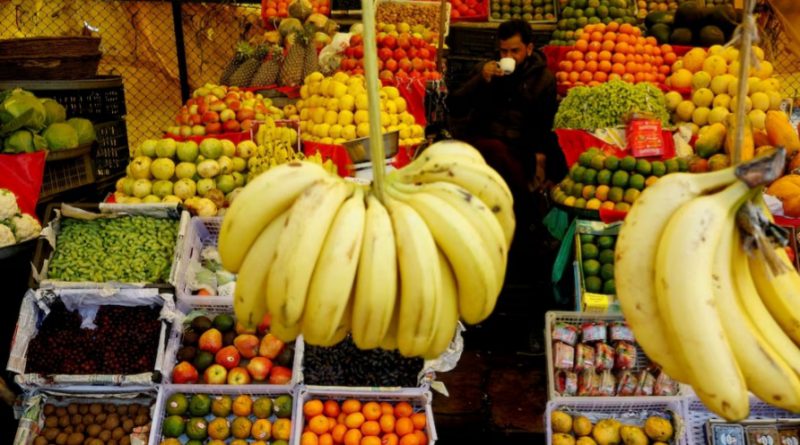
India’s shadow economy has previously accounted for nearly half of official GDP readings, although real-time data on its performance remains limited.In urban areas, which generate roughly 60% of India’s GDP, restaurants and hotels have reportedly shortened operating hours, reduced menus or shifted to alternative fuels such as firewood as conflict-related disruptions in the Middle East affect liquefied petroleum gas supplies.
“The informal segment is the worst hit and its ability to absorb shocks is very low. So we will see a ripple effect on jobs and demand,” said Upasna Bhardwaj, chief economist at Kotak Mahindra Bank. “All of that is going to play out if this problem persists beyond the near term.”India revised its GDP data methodology in recent years to improve the capture of informal sector activity, but economists said gaps remain substantial.
Yes Bank Chief Economist Indranil Pan said the disruption to the informal sector would not be reflected significantly in headline GDP figures.“That’s also the reason why we have not really changed our GDP much at this point in time,” he said.Inflation is expected to average 4.5% this fiscal year, according to the poll, remaining within the Reserve Bank of India’s 2% to 6% target range but more than double last year’s pace.
Despite higher price pressures, economists expect the RBI to keep interest rates unchanged through the end of 2027, reflecting concerns over balancing inflation control with growth stability.
Analysts said the government has attempted to cushion the impact of higher energy prices by cutting fuel duties, but a prolonged Middle East conflict could strain public finances and force a reallocation of spending away from infrastructure investment toward subsidies.
Capital expenditure has been a key growth driver in recent years amid weak private-sector investment, and any shift away from it could weigh on medium-term expansion.Aditya Vyas, chief economist at STCI Primary Dealer Ltd, said uncertainty linked to external shocks made a strong recovery in private investment unlikely in the near term.
“If push comes to shove, there could be a situation where a material diversion of funds from capex to subsidies happens,” Vyas said. “Price pressures are imminent and will in the medium term affect the fiscal front.”