Lebanon Speaker Rejects Israel Talks Without War Halt
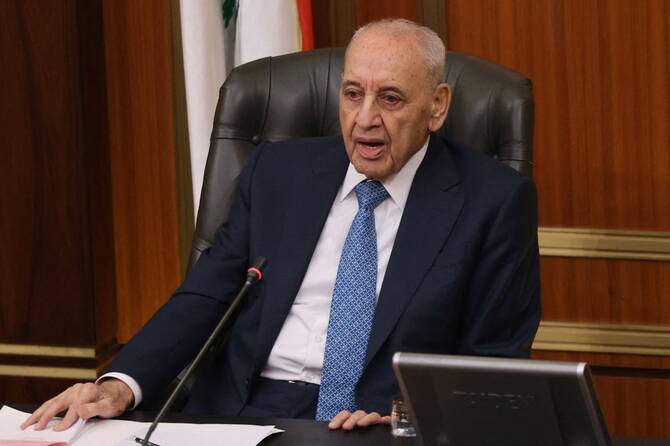
Beirut— Nabih Berri said on Monday there would be no negotiations with Israel unless fighting in southern Lebanon stops, underscoring obstacles to U.S.-backed efforts to advance a broader settlement.
Berri, Lebanon’s most senior Shiite political figure and an ally of Hezbollah, said the priority must be halting hostilities before any political process begins, rejecting talks without guarantees that Israel would cease its attacks, according to comments published by An-Nahar newspaper.
His remarks came as Israeli forces issued new evacuation warnings to residents of four villages beyond a self-declared security zone, accusing Hezbollah of violating a ceasefire agreed in mid-April and extended into May.
The conflict escalated after Israel launched operations in Lebanon in March targeting Hezbollah, which had been firing across the border in support of Iran following attacks by Israel and the United States on Tehran.
Despite the ceasefire, hostilities have continued at a lower intensity, with Israel maintaining a presence in parts of southern Lebanon and conducting strikes, while Hezbollah has carried out attacks on Israeli forces. The group said it conducted 11 operations on Sunday.
Lebanon’s government has called for a lasting arrangement that would end recurring cycles of violence, though it has stopped short of seeking a formal peace agreement. Israel has said any deal must include the disarmament of Hezbollah.
Donald Trump, who hosted delegations from both sides for talks last month, said there was a strong possibility of reaching a peace agreement this year and expressed interest in facilitating further discussions involving Israeli Prime Minister Benjamin Netanyahu and Lebanese President Joseph Aoun.
Hezbollah and Berri have opposed direct negotiations, while Aoun has supported lower-level talks aimed first at consolidating a ceasefire before addressing broader issues, including Israeli withdrawal, the return of displaced civilians and detainee exchanges.
Lebanon’s health ministry says more than 2,600 people have been killed since early March. Israel says 17 of its soldiers and two civilians have died in the cross-border fighting.