Climate Shocks and Conflict Drive Mass Displacement in Somalia as Hunger Deepens in Mogadishu Camps
“We tried every means to survive. Unfortunately, there was nothing left, so we had no choice but to escape to save our children.”
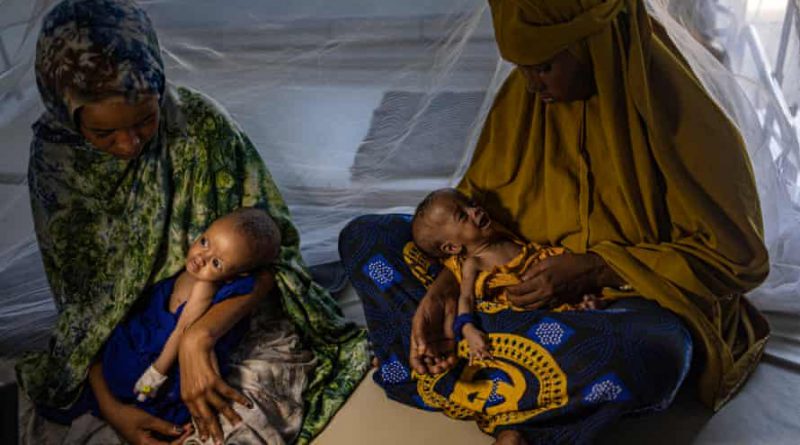
Years of drought, recurring floods, armed conflict and shrinking humanitarian assistance have forced millions of Somalis into increasingly precarious conditions, with many displaced families now struggling to survive in overcrowded camps around the capital, Mogadishu.
Among them is 38-year-old Zeynab Ibrahim, a single mother who fled her hometown near Burhakaba in central Somalia after years of failed rains devastated local agriculture and pushed her family into extreme hardship.For three years, Ibrahim watched as drought tightened its grip on her community.
Reservoirs dried up, crops failed and food became increasingly scarce. Hunger and disease spread through the area, claiming numerous lives, including four of her 10 children.“We tried every means to survive – selling dried grass and digging up water from the barren earth.
Unfortunately, there was nothing left, so we had no choice but to escape to save our children,” Ibrahim said while sitting outside a makeshift shelter in an internally displaced persons camp in Mogadishu’s Kahda district.The journey to the capital came only after all other options had been exhausted.
Assisted by a truck driver transporting other displaced families from drought-stricken areas around Burhakaba, she joined the growing number of Somalis seeking refuge in the city.“So hunger is what brought us here,” she said.Ibrahim is one of more than one million displaced people now living in informal settlements across Mogadishu, where many families continue to face severe shortages of food, clean water and basic services despite escaping the immediate effects of drought in rural areas.
Before being displaced, her family relied entirely on farming for survival. Maize, beans, sesame and vegetables grown on their land provided both food and income. As rainfall disappeared, however, agricultural production collapsed.
“Our livelihoods depended on what we could grow on the ground, including maize, beans, sesame and vegetables. But the ground dried because there was no rain,” she said.Her experience reflects a broader pattern unfolding across Somalia, where communities increasingly face overlapping climate and security pressures.
Repeated droughts destroy crops and livestock, while floods that follow periods of extreme dryness often wash away fragile infrastructure and further undermine agricultural recovery.For many households, these environmental shocks occur against a backdrop of persistent conflict and insecurity, limiting opportunities to rebuild livelihoods or safely return home.
The result has been a growing displacement crisis that has reshaped communities across the country. Families forced from rural areas frequently arrive in urban centers with few possessions and limited means of earning an income, increasing their dependence on humanitarian support at a time when aid resources are under strain.
Adan Roble, another displaced Somali, said the combined effects of environmental disasters and insecurity have left many families struggling to meet even their most basic needs.“Imagine losing everything and trying to survive without food and clean water, while fighting continues and drones keep flying overhead,” Roble said.
Roble has experienced multiple climate-related disasters. Years of drought destroyed his crops and rendered his farmland unproductive, undermining the economic foundation on which his family depended.Stories such as those of Ibrahim and Roble illustrate the mounting challenges facing Somalia as climate-related shocks become more frequent and severe.
Rural communities that depend heavily on rain-fed agriculture are often among the most vulnerable, with prolonged dry periods quickly translating into crop failures, livestock losses and widespread food insecurity.For many displaced families, arriving in Mogadishu has provided safety from immediate environmental threats but not from poverty.
Conditions in many informal settlements remain difficult, with limited access to employment opportunities, healthcare, sanitation and reliable food supplies.As climate pressures, conflict and humanitarian constraints converge, displaced households continue to face uncertain futures.
Families that once relied on farming and livestock now find themselves dependent on irregular aid and struggling to rebuild their lives far from the land that once sustained them.
For Ibrahim, the move to Mogadishu was not a choice but a last resort after years of watching her community deteriorate. Although she escaped the drought that devastated her hometown, the daily struggle against hunger and deprivation continues in the camp she now calls home.