Ceasefire Gambit Gains Momentum as Trump Presses Israel and Iran to Halt Fire
Tel Aviv- U.S. President Donald Trump said on Monday that Israel and Iran were seeking an immediate ceasefire and that final negotiations toward a broader peace arrangement were advancing, as renewed exchanges of fire threatened to derail efforts to end months of regional conflict.
Trump said in a post on Truth Social that both sides were looking to stop hostilities and that negotiations on a peace agreement were proceeding, while adding that a U.S.-led blockade would remain in force until a final deal was reached.
The comments came after Iran and Israel exchanged attacks for the first time since a truce took effect in April, raising concerns over the durability of diplomatic efforts aimed at ending the wider Middle East war.
Iran’s Khatam Al-Anbiya military command later announced that armed forces operations against Israel had ceased, saying Tehran had delivered what it described as a “painful response” and was ending military action accordingly. The statement was carried by Iranian state television.
An Israeli official said Trump and Israeli Prime Minister Benjamin Netanyahu spoke by telephone on Monday before the U.S. president publicly stated that both sides were seeking an immediate ceasefire.
Iran’s government, however, blamed Washington for the renewed fighting. Foreign Ministry spokesman Esmaeil Baqaei told reporters in Tehran that Israeli military actions could not be separated from U.S. policy and said no one believed Israel would undertake such actions without coordination with Washington.
Baqaei said the renewed hostilities could affect diplomatic efforts launched to end what Tehran describes as an imposed war.
Israel said it struck a petrochemical facility in Iran’s southwestern city of Mahshahr and carried out additional attacks against military targets. Israeli military officials said the operation also targeted and dismantled air-defense capabilities that Tehran had been attempting to restore.
A provincial Iranian official told the semi-official Fars news agency that parts of the Mahshahr petrochemical complex were damaged.
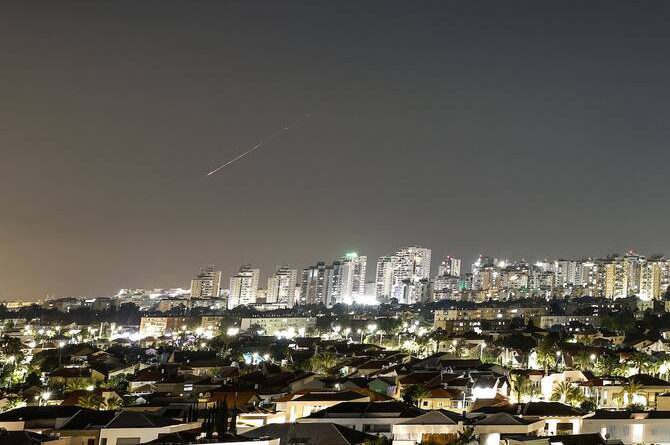
Iran’s Revolutionary Guards responded by launching missiles toward a petrochemical facility in Haifa, according to Iran’s Tasnim news agency. The Israeli military said Iran had fired nearly 30 missiles at Israel since Sunday night.
In Tehran, a large explosion was heard near the Foreign Ministry during a press conference attended by journalists, including AFP reporters. Iranian media reported that air-defense systems were activated in parts of the capital and later said a drone described as belonging to the “American-Zionist enemy” had been shot down over the city.
The Israeli military warned later on Monday that another wave of Iranian missiles was approaching and instructed residents in affected areas to seek shelter.
Earlier, Trump said the latest attacks would not undermine ongoing U.S.-Iran negotiations and asserted that Netanyahu did not determine the course of diplomacy. According to Axios, citing a U.S. official, Trump urged the Israeli leader during a phone call to avoid further strikes because negotiators were close to securing a breakthrough.
The renewed tensions followed Israeli strikes near Beirut on Sunday, the first in the area since Washington unveiled a Lebanon truce proposal last week. Iran responded with missile salvos against Israeli targets, placing fresh pressure on negotiations intended to end the broader conflict.
Trump has repeatedly said Washington and Tehran are nearing an agreement. In an interview broadcast on NBC News’ “Meet the Press,” he said the sides were very close to a deal while warning of severe consequences if diplomacy failed.
The conflict has increasingly drawn in regional actors. The Israeli military said it intercepted a missile launched from Yemen, marking the first such attack since the ceasefire began in April.
Yemen’s Houthi movement later claimed responsibility for missile strikes against what it called sensitive Israeli targets in the Tel Aviv area. The group said the attacks were coordinated with members of the Iran-aligned “axis of resistance” and announced a complete ban on Israeli maritime navigation in the Red Sea, warning that Israeli-linked vessels would be considered military targets.
The wider conflict has remained largely frozen since April, when U.S. and Israeli attacks on Iran were paused. Tehran subsequently disrupted shipping through the Strait of Hormuz, a critical route for global crude oil and liquefied natural gas exports, while Washington imposed its own blockade on Iranian ports.
Israel has continued military operations in Lebanon throughout the period, while Hezbollah has maintained attacks against Israel and rejected calls to disarm unless Israeli forces halt strikes and withdraw from Lebanese territory.
Netanyahu said Sunday’s strikes on Beirut’s southern suburbs were ordered in response to Hezbollah fire toward Israel, underscoring the fragile state of regional ceasefire efforts as diplomatic negotiations continue.