
US Launches Fresh Iran Strikes as Hormuz Conflict Deepens
CAIRO- The United States launched a new wave of military strikes against Iran on Wednesday after reimposing a naval blockade of Iranian ports, further escalating a conflict that has increasingly centered on control of the Strait of Hormuz and raised concerns over global energy supplies and maritime security.
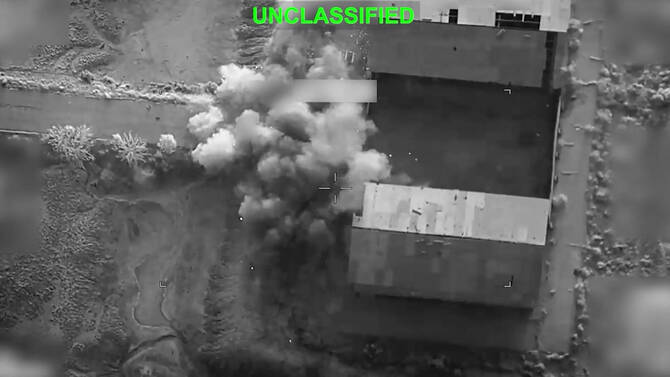
The latest strikes followed a U.S. announcement that American forces had begun operations early Wednesday aimed at degrading Iranian military capabilities used to target commercial shipping in the strategic waterway. The U.S. military said the campaign was intended to reduce Iran’s ability to threaten international maritime traffic but did not disclose the locations or scope of the latest attacks.
“At 6 a.m. ET today, U.S. Central Command forces began launching a wave of strikes against Iran,” the U.S. military said in a statement.
It added that the operations were designed to further weaken military assets that Iranian forces had used to attack commercial vessels transiting the Strait of Hormuz.
Iranian state media did not immediately report strikes inside the country following the U.S. announcement.
The new operation came less than a day after the U.S. military said it had conducted a seven-hour campaign targeting dozens of military sites near the Strait of Hormuz and along Iran’s coastline.
Iran responded on Wednesday by announcing strikes against U.S. military targets across the region. The Islamic Revolutionary Guard Corps said it had attacked American positions in Bahrain, Kuwait and Jordan, underscoring the widening regional dimensions of the conflict.
Tehran also warned it could further disrupt regional energy exports, declaring that the United States “must brace for the closure of all other export corridors that benefit the U.S. and its allies.”
The confrontation has intensified following a series of attacks on commercial shipping. U.S. officials said Iran had attacked seven commercial vessels during the past week, leaving nearly a dozen crew members dead, injured or missing.
The Strait of Hormuz, through which roughly one-fifth of global oil and gas shipments moved before the outbreak of hostilities, has become the focal point of military operations by both sides. The waterway remains one of the world’s most strategically important maritime chokepoints, making any disruption a significant concern for international energy markets.
The current conflict began after U.S. and Israeli strikes against Iran on Feb. 28, triggering Iranian retaliatory attacks against Gulf states hosting U.S. military bases and causing major disruptions to regional energy supplies.
Financial markets continued to reflect growing concerns over the security situation. Oil prices rose by about 1 percent on Wednesday after ending the previous session at their highest level in a month, as traders weighed the risk of further supply disruptions.
Diplomatic efforts to halt the fighting have so far failed to produce lasting results. An interim ceasefire agreement reached last month was intended to pave the way for broader negotiations toward a permanent settlement, but progress has since stalled, leaving military confrontation as both sides continue to exchange strikes.
The latest exchange marks another escalation in a conflict that has expanded from direct military operations to threats against international shipping and critical energy infrastructure, increasing concerns over regional stability and the uninterrupted flow of global trade.