Over 800,000 Lebanese Return Home as Fighting Eases
BEIRUT- More than 800,000 people displaced by the conflict in Lebanon have begun returning to their homes following a reduction in hostilities linked to the Israel-Hezbollah war, the United Nations said, even as hundreds of thousands remain displaced and humanitarian needs continue across the country’s south.
The UN Office for the Coordination of Humanitarian Affairs (OCHA) said that 821,077 people had returned to their areas of origin as of July 30. However, the agency said more than 360,000 people remained displaced, including around 26,000 who were still living in government-run shelters.
The update came as Lebanese and Israeli officials entered a new round of U.S.-sponsored negotiations in Rome aimed at securing an end to the fighting. The talks, which began this week, are scheduled to continue through Thursday.
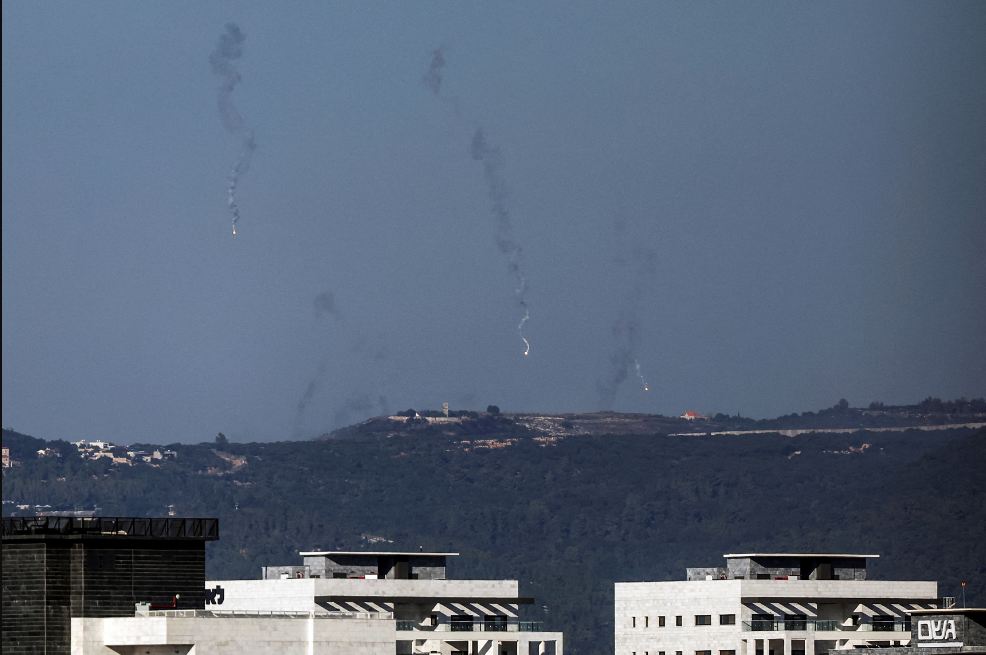
The conflict escalated after Hezbollah launched rocket attacks against Israel in March in support of its ally Iran, drawing Lebanon into the broader regional confrontation. Israel responded with extensive airstrikes and a ground offensive that Lebanese authorities say killed more than 4,300 people and displaced more than one million residents at the height of the conflict.
Violence has eased since a preliminary agreement between the United States and Iran on wider regional tensions was reached in June. The accord included a ceasefire arrangement in Lebanon and was followed by a separate U.S.-mediated understanding between Israel and Lebanon intended to reduce hostilities.
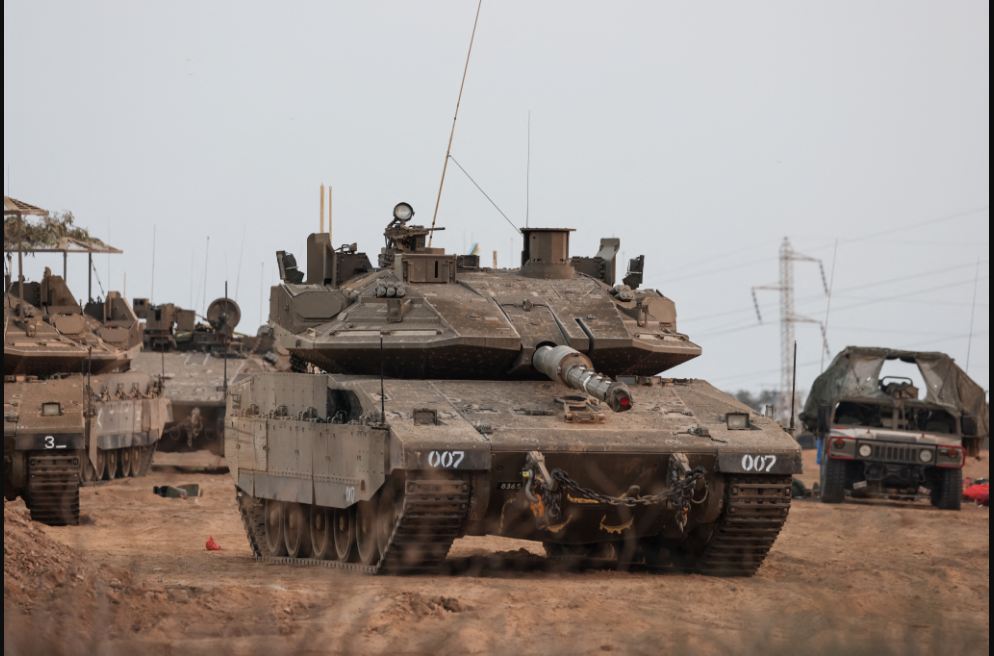
Despite the decline in large-scale fighting, Lebanese authorities continue to report intermittent Israeli airstrikes, shelling, controlled explosions and demolitions in villages across southern Lebanon. Israeli forces also remain deployed in parts of southern Lebanese territory.
OCHA said the war inflicted extensive damage on essential infrastructure, particularly water and electricity networks, leaving more than 700,000 people in southern Lebanon with severely reduced access to safe water. The affected region was home to many of those displaced during the conflict.
During negotiations held in Washington in June, Israel and Lebanon agreed to a framework that envisages the gradual disarmament of Hezbollah, a phased withdrawal of Israeli forces from southern Lebanon and the deployment of the Lebanese Armed Forces to the area. The plan calls for implementation to begin in designated test areas known as “pilot zones.”
Hezbollah has rejected the proposed framework and has refused to disarm. The group’s leader, Naim Qassem, said direct negotiations would bring “nothing but shame, humiliation, and successive compromises” for Lebanon.
The latest displacement figures underscore the scale of the humanitarian recovery challenge facing Lebanon, where many returning residents continue to confront damaged infrastructure, disrupted public services and the lingering effects of months of conflict despite the reduction in violence.