KAUST Scientists Turn Chocolate Waste Into High-Value Blue Pigment Through Algae Innovation
Jeddah – Scientists at King Abdullah University of Science and Technology have unveiled a breakthrough that links biotechnology with food industry sustainability, transforming chocolate factory waste into a high-value natural ingredient.
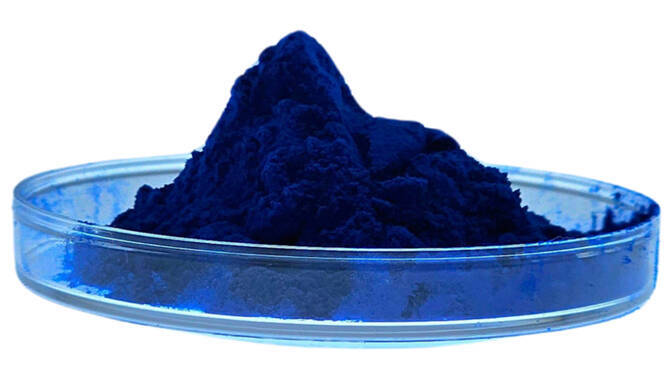
Their new process uses ancient algae to produce C-phycocyanin, a vibrant blue pigment increasingly sought after in global markets for its use in foods, cosmetics, and pharmaceutical applications.
The study presents Galdieria yellowstonensis, a resilient strain of red algae, as the key to this transformation. The organism feeds on leftover sugars from chocolate-processing waste, converting them into nutrient-rich biomass that contains commercially valuable pigments.
This discovery has the potential to significantly reduce industrial waste while creating revenue opportunities for sectors seeking eco-friendly ingredients.
Researchers found that Galdieria thrives in harsh conditions where few other microorganisms can survive. Its ability to flourish in highly acidic and hot environments means production systems are naturally protected from contamination, reducing operational expenses and improving pigment yields.
This creates an advantage over traditional cyanobacteria-based pigment production, which requires more controlled settings and higher energy inputs.
In an unexpected finding, the team observed that elevated carbon dioxide levels accelerate Galdieria’s growth. While CO₂ is usually treated as a waste output of microbial sugar consumption, here it becomes a growth-enhancing factor. This positive feedback loop represents a step toward more efficient, low-emission bioprocessing systems.
Lead researcher Kyle Lauersen highlighted the environmental significance of the discovery, emphasizing that algae metabolism can unlock new pathways for sustainable product development. He explained that chocolate factories frequently generate waste whenever production lines start up or shut down, and this previously discarded material can now be repurposed into something meaningful and profitable.
The pigment being produced, C-phycocyanin, is gaining recognition in global markets due to consumer demand for natural colorants. With a projected market value surpassing $275 million by 2030, industries are turning to more sustainable sources to replace artificial dyes. Galdieria-derived pigment adds an appealing option because it is cleaner, cost-efficient, and compatible with a wide range of food and beverage products.
Importantly, the pigment has recently been approved as food-safe by the US Food and Drug Administration, opening doors for broader commercial use. This approval ensures manufacturers can incorporate it into consumer-facing goods with confidence, particularly in drinks, candies, frozen treats, and nutraceuticals.
To validate the concept, researchers collected real chocolate waste from a factory in Saudi Arabia. In controlled experiments, they successfully cultivated Galdieria at an industrially relevant scale, confirming its ability to convert waste into usable ingredients without compromising pigment quality. This real-world testing supports the potential for full-scale application across the region and beyond.
KAUST’s next step involves assessing the scalability of their method to help local industries align with the nation’s circular carbon economy goals. By identifying diverse waste streams and integrating them into algae-based production systems, the team aims to enable companies to reduce emissions, cut disposal costs, and introduce sustainable ingredients to the global market.
The innovation serves as a model for turning overlooked waste into high-value resources. With further refinement, the approach could expand to additional sectors, supporting a future where biotechnology and environmental stewardship work hand in hand. This breakthrough reinforces the growing role of Saudi research institutions in shaping sustainable technologies that address global challenges while promoting economic diversification.