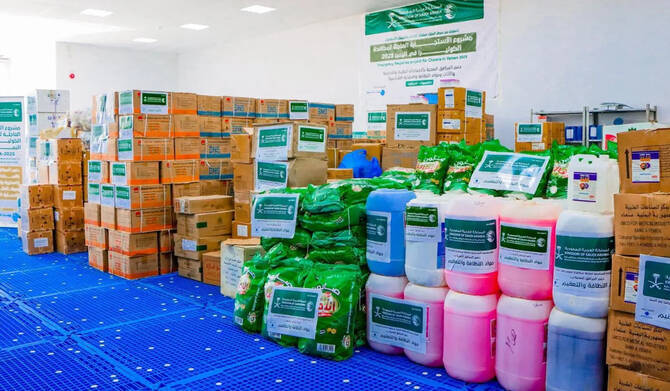
KSrelief delivers vital medical supplies to Yemen to strengthen cholera response and healthcare readiness.
Hadhramout – The King Salman Humanitarian Aid and Relief Center has delivered essential medical supplies to Yemen’s Ministry of Health in Wadi Hadhramout as part of ongoing humanitarian support.
The initiative aims to reinforce health sector preparedness and improve the response to the cholera outbreak affecting several regions of the country.
The medical assistance is part of an urgent cholera response project designed to help health facilities manage suspected and confirmed cases more effectively.
Authorities said the supplies will enable hospitals and clinics to respond rapidly and reduce delays in treatment and prevention efforts.
Yemen continues to face recurring outbreaks of cholera due to fragile healthcare infrastructure, limited clean water access, and prolonged humanitarian challenges.
The delivery focuses on strengthening frontline medical capacity in areas most affected by the epidemic.
Health officials explained that the project prioritizes governorates experiencing the highest infection rates.
The objective is to curb the spread of the disease through early detection, treatment, and preventive interventions.
Preventive measures under the project include the deployment of specialized medical teams across key entry points.
These teams are tasked with examining and monitoring travelers at air and land ports to detect potential cholera cases early.
Ports in Aden and Hadhramout are among the locations benefiting from these monitoring efforts.
Officials said this approach helps reduce cross-regional transmission and improves public health surveillance.
The initiative is expected to benefit more than 1.15 million people across targeted governorates.
By improving monitoring and response systems, health authorities aim to limit further outbreaks and protect vulnerable populations.
Medical supplies delivered under the project include essential treatment materials and equipment required for cholera case management.
These resources are critical in regions where health facilities often struggle with shortages and limited operational capacity.
Healthcare workers in Wadi Hadhramout welcomed the support, noting that it enhances their ability to manage rising caseloads during outbreaks.
They said timely access to supplies can significantly reduce complications and fatalities associated with cholera.
The humanitarian effort reflects broader regional support for Yemen’s healthcare sector during ongoing public health challenges.
Strengthening local health systems remains a key priority in addressing both immediate and long-term health risks.
Public health experts emphasize that cholera control requires a combination of medical treatment and preventive strategies.
These include sanitation improvements, clean water access, community awareness, and effective disease surveillance.
By supporting preventive monitoring at ports, the initiative addresses one of the key transmission pathways of infectious diseases.
This approach helps authorities identify risks early and implement containment measures before outbreaks escalate.
The assistance also underscores the importance of coordination between humanitarian agencies and local health authorities.
Such collaboration ensures that aid reaches priority areas and aligns with national health response plans.
Yemen’s Ministry of Health has repeatedly highlighted the need for sustained international support.
Officials say recurring outbreaks place immense strain on limited resources and overstretched medical staff.
The delivery of medical supplies contributes to broader efforts to stabilize healthcare services amid ongoing challenges.
Improved preparedness is seen as essential to reducing the long-term impact of cholera in affected communities.
Humanitarian organizations note that cholera remains preventable with timely intervention and adequate resources.
Early diagnosis, prompt treatment, and preventive monitoring play a crucial role in controlling the disease.
The project also aims to raise awareness about hygiene and disease prevention at community levels.
Such efforts complement medical interventions and help reduce reinfection rates.
Overall, the initiative highlights continued humanitarian engagement in addressing Yemen’s public health needs.
Sustained support is expected to improve resilience against future outbreaks and strengthen healthcare delivery.