Trump, Iran escalate threats over Gulf energy assets as conflict widens
Tel Aviv— U.S. President Donald Trump and Iran exchanged threats on Sunday to target energy infrastructure in the Gulf, raising the risk of a broader regional conflict as hostilities intensified and global markets reacted to mounting uncertainty.
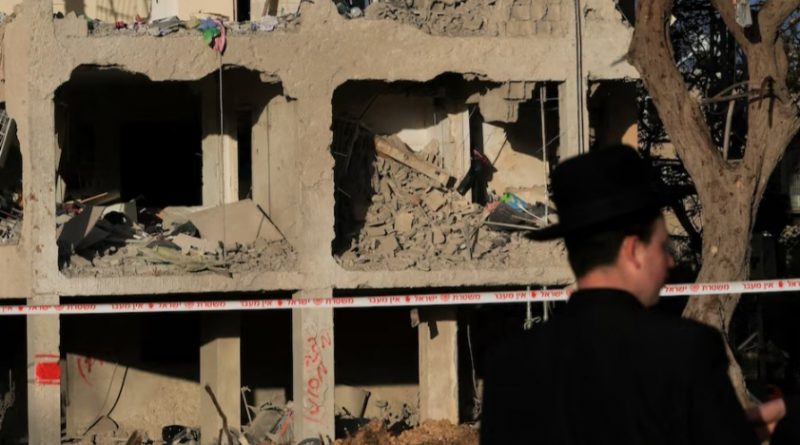
Air raid sirens sounded across Israel early on Sunday, warning of incoming Iranian missiles, after dozens of people were wounded overnight in separate attacks in the southern towns of Arad and Dimona. Israel’s military said it was carrying out strikes on Tehran hours after the Iranian attacks.
Trump on Saturday warned he would “obliterate” Iran’s power plants if Tehran did not fully reopen the Strait of Hormuz within 48 hours, marking a sharp escalation a day after suggesting the conflict could be wound down.
Iran responded on Sunday by warning it would strike U.S. infrastructure, including energy facilities in the Gulf, if Washington followed through on its threat. The warning came as U.S. Marines and heavy landing craft continued moving toward the region.
The exchange of threats has heightened fears that energy installations across key Gulf producers could become direct targets, widening the conflict beyond current theatres of engagement.
The escalating the crisis has disrupted markets, pushing fuel costs higher and intensifying concerns over global inflation. Analysts said the situation has introduced acute uncertainty into financial markets already strained by supply disruptions.
“President Trump’s threat has now placed a 48-hour ticking time bomb of elevated uncertainty over markets,” said Tony Sycamore, an analyst at IG.
He warned that failure to de-escalate could trigger sharp declines in global equities and further spikes in oil prices.
Oil prices rose on Friday to their highest levels in nearly four years after Iraq declared force majeure on oilfields operated by foreign firms, Israel struck a major Iranian gas field, and Tehran retaliated with attacks on neighbouring countries including Saudi Arabia, the United Arab Emirates, Qatar and Kuwait.
Iranian actions have effectively closed the Strait of Hormuz, a narrow passage that carries around a fifth of global oil and liquefied natural gas supplies, triggering what analysts describe as the most severe oil disruption since the 1970s.
The near-closure has also driven European gas prices sharply higher, with increases of up to 35% reported last week, reflecting the strait’s central role in global energy flows.
In a social media post late on Saturday, Trump reiterated his ultimatum, saying the United States would begin targeting Iran’s power infrastructure if the waterway was not reopened “fully” and “without threat” within the specified timeframe.