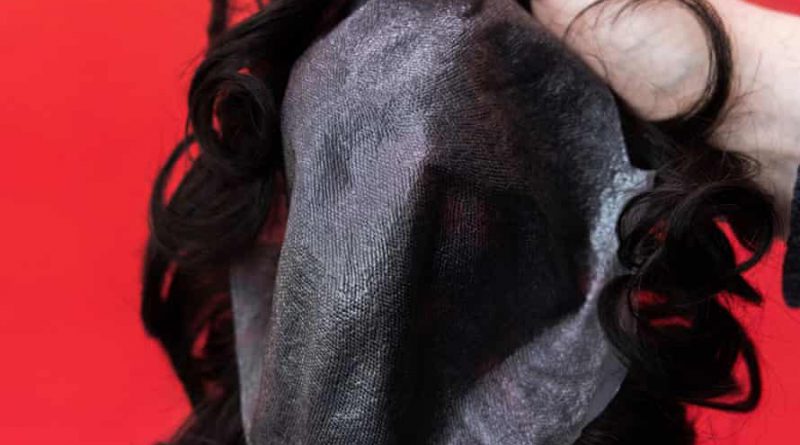
Modern “hair systems” revive toupee market as demand grows among balding men
“It’s pain-free, guaranteed results you’re going into the barber shop with no hair and walking out with the best hair you’ve ever had.”
Toupees, long associated with poor aesthetics and social stigma, are re-emerging in the form of modern “hair systems”, driven by advances in design, changing attitudes toward male grooming, and the influence of social media.
Industry data and practitioner accounts indicate rising demand for these non-surgical hair replacement options, particularly among men experiencing pattern baldness.Hairpieces have existed for millennia, with evidence of their use traced to ancient Egypt. Toupees, which differ from full wigs by covering only part of the scalp, originated in 18th-century Europe.
The term derives from the French word “toupet”, meaning a tuft of hair. Their popularity peaked in the mid-20th century, with Time magazine estimating that more than 2.5 million men in the United States wore toupees by 1970.
However, their use declined as cultural perceptions shifted, influenced in part by ridicule in popular media and the growing social acceptance of shaved heads.Despiethat decline, hair loss remains widespread.
Estimates cited in clinical practice suggest that male pattern baldness affects between 30% and 50% of men by age 50 and up to 80% over a lifetime. Fabian Martinez, a trichologist and manager at the London Hair Clinic, said that emotional responses to hair loss remain significant.
He reported that clients across professions, including law and entertainment, have expressed distress over balding and reluctance to adopt a shaved appearance. According to Martinez, there remains a “misconception” that men should accept baldness without seeking alternatives.
Recent developments in hairpiece manufacturing have altered the market. Modern hair systems are typically constructed from human or synthetic hair attached to lace or polymer-based membranes designed to replicate the appearance of scalp skin. These systems are adhered using medical-grade adhesives and can be tailored to match an individual’s natural hair colour, density and style.
Practitioners say the improved realism and durability distinguish them from earlier products, which were often criticised for their artificial appearance.Market indicators point to renewed consumer interest. Google search trends show a marked increase in queries for “hair systems” since 2025.
Aderans, a manufacturer whose subsidiary Trendco has produced hairpieces since 1965, reported a 43% year-on-year increase in male customers purchasing such systems in 2025. The company attributed this growth partly to the visibility of hair transformation content on social media platforms.
Online content has played a measurable role in shaping consumer behaviour. Posts tagged with “#toupee” on Instagram number in the hundreds of thousands, with some videos attracting millions of views. Emily Alexis Ann Cheney, a California-based stylist known online as the “Toupee Queen”, produces videos documenting client transformations from partial or advanced baldness to full hair coverage.
Viewer responses to these videos are predominantly positive, often focusing on perceived natural appearance and aesthetic improvement.Consumers cite these visual demonstrations as influential. Jon McSherry, a 46-year-old from Lincoln, said he decided to adopt a hair system after watching before-and-after videos online.
He described a mismatch between his physical appearance and how he felt, noting that his hair loss had become more pronounced in his forties. His experience reflects a broader trend of individuals seeking immediate, non-invasive solutions.Barbers and clinics have begun incorporating hair systems into their services.
Thomas Robinson, owner of Tom’s Barbers in Lincoln, said he introduced the offering two years ago after observing demand among clients with thinning hair. He currently serves around 40 customers, each paying more than £600 for a system. Robinson said improvements in product quality and affordability had contributed to uptake, describing the results as immediate and predictable.
Hair systems compete with other hair restoration methods, particularly surgical transplantation. Hair transplant procedures involve relocating follicles from one part of the scalp to another and are typically performed under local anaesthetic.
The UK’s National Health Service states that such procedures are generally safe when conducted by qualified practitioners in regulated settings, though it notes risks including infection, bleeding and allergic reactions. Costs vary widely, ranging from £1,000 to £30,000, with private sector averages reported at approximately £4,820.
Lower-cost procedures are available abroad, particularly in Turkey, where state media reports typical prices around $2,000.Greg Williams, a surgeon and spokesperson for the British Association of Aesthetic Plastic Surgeons, said that while complications from transplantation are uncommon, the procedure often requires repeat interventions due to the progressive nature of hair loss.
He noted that scarring, temporary numbness and infection can occur, though serious complications are rare. Williams added that patients are typically advised to use medication long-term to preserve existing hair.He also highlighted differences in outcomes between surgical and non-surgical approaches.
According to Williams, hair transplants may not achieve the same density as hair systems, particularly in cases of advanced hair loss. As a result, he said hairpieces are often discussed as part of the informed consent process, especially for patients seeking fuller coverage.Some users cite flexibility as an advantage of hair systems.
Unlike surgical interventions, they are not permanent and can be replaced or removed. Paul McCafferty, a 51-year-old from Edinburgh, said he initially adopted a hair system as a short-term solution but continued using it after achieving satisfactory results. He reported that improved products allowed longer use, with some systems lasting up to a year under proper maintenance.
Maintenance requirements include periodic cleaning, rebonding and replacement. Practitioners advise gentle washing and adherence to care guidelines to ensure durability. Robinson said his clients include individuals with active lifestyles, including those who swim, exercise regularly or participate in water sports, suggesting that properly maintained systems can withstand physical activity.
However, hair systems are not without limitations. In January, during a boxing match between Jarrell Miller and Kingsley Ibeh, Miller’s hairpiece became dislodged and was removed mid-fight. Industry practitioners attributed the incident to possible application issues or insufficient time for adhesive bonding prior to intense activity.
Despite such cases, users report growing confidence in the reliability of modern systems. McSherry said initial concerns about detachment diminished with use, adding that the system felt secure and indistinguishable from natural hair.
He attends monthly maintenance sessions, though frequency varies depending on individual needs and lifestyle.