Shutdown gridlock grounds flights, drives surge to rail across U.S.
Washington— A U.S. government shutdown linked to a budget impasse between Congress and Donald Trump has disrupted air travel nationwide, forcing passengers onto trains as airport security staffing shortages trigger long delays and operational strain.
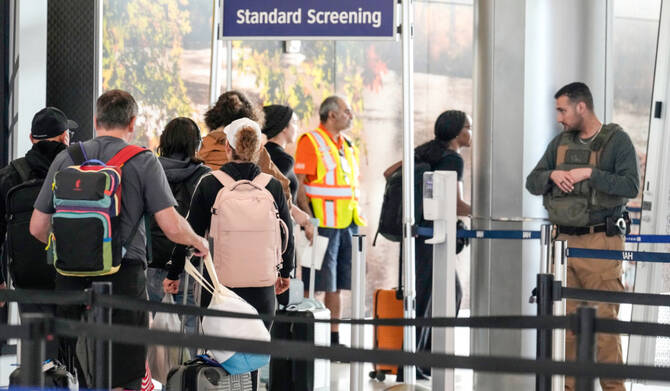
Unpaid federal employees have called out from duty, leaving reduced screening capacity at major airports, including Hartsfield-Jackson Atlanta International Airport, where travelers faced hours-long waits, according to accounts from passengers attempting to reach destinations such as Washington.
The disruption has driven some travelers to rail alternatives, including overnight services operated by Amtrak. The Crescent line, connecting the southeastern United States to Washington, has seen increased reliance from passengers seeking certainty amid airport congestion.
Rail stations reported fewer delays tied to security processing, with passengers boarding closer to departure times and avoiding bottlenecks associated with the Transportation Security Administration, which has been affected by staffing shortages during the shutdown.
The budget standoff, rooted partly in disputes over immigration enforcement funding, has also drawn in agencies such as Immigration and Customs Enforcement, which remains central to the administration’s policy agenda.
The partial shutdown has left gaps in federal operations, including airport screening, highlighting vulnerabilities in essential travel infrastructure when government funding lapses.
The shift toward rail underscores long-standing structural dynamics in U.S. transportation, where policy, subsidies and political priorities have historically shaped the balance between rail, road and air travel.
While air travel remains the dominant mode for long-distance domestic journeys, the current disruption has revived reliance on legacy rail networks, particularly along the East Coast corridor linking major urban centers.
The Senate reached a bipartisan proposal to fund most of the Department of Homeland Security, excluding immigration enforcement, but House Republican leaders rejected the measure, prolonging the impasse and its effects on national mobility.