Australia Expands Diphtheria Response as Indigenous Communities Face Rising Outbreak Risk
“One of the lessons we’ve learned with communicable disease is you’ve got to go hard, go early.”
Australian health authorities are intensifying efforts to contain a growing diphtheria outbreak affecting remote Indigenous communities after concerns emerged that delayed intervention and strained local health services could allow further spread of the disease.
The outbreak has been concentrated largely in northern and remote regions, particularly in Western Australia’s Kimberley area, where health workers say overcrowded housing, population movement between communities and limited healthcare resources have heightened transmission risks. While official case numbers remain relatively small, frontline providers warn the true scale of infections may be higher than reported.
Many affected communities face longstanding structural challenges that complicate disease control efforts. Families frequently travel between remote settlements to access food, supplies and essential services, creating additional opportunities for transmission.
Health officials have also reported that more than one-third of confirmed cases have occurred among children and teenagers, raising concerns about broader community spread.In Halls Creek, one of the Kimberley communities reporting cases, local healthcare workers say the outbreak is placing additional pressure on already stretched services.
According to community health leaders, the task extends beyond clinical treatment to ensuring public health information is delivered in culturally and linguistically appropriate ways.
The challenge is particularly significant in a region where approximately 43% of Indigenous households speak traditional languages at home. Public health campaigns, vaccination outreach and contact-tracing efforts must therefore be tailored to multiple linguistic and cultural contexts.Local health workers say uncertainty over future funding arrangements has added to operational pressures.
Funding provided during the Covid-19 pandemic supported dedicated vaccination roles that proved critical in delivering immunisation programs and public health messaging. Questions remain over whether similar resources will continue as authorities respond to the diphtheria outbreak.
Healthcare providers in affected communities warn that public awareness remains limited because diphtheria has been largely absent from Australia for decades. The disease was effectively controlled through widespread vaccination, meaning many younger residents and even some healthcare workers have little direct experience recognising symptoms or responding to outbreaks.
Community leaders say the lack of familiarity has complicated efforts to encourage vigilance and early treatment. While local health services have increased awareness campaigns, some fear valuable time may have been lost before the seriousness of the outbreak became widely recognised.
Further east, Indigenous health organisations in Queensland have moved to strengthen preparedness measures. In the Aboriginal community of Yarrabah, healthcare providers have launched public information campaigns aimed at increasing vaccination coverage after immunisation rates declined slightly following the Covid-19 pandemic.
Health officials say vaccination levels in the community had previously exceeded 95% before experiencing a modest decline. Recent efforts have helped reverse that trend, although healthcare providers describe the recovery as an ongoing challenge requiring sustained community engagement.
Medical services in Yarrabah have remained closely integrated with broader regional public health responses led by Queensland authorities. Local healthcare leaders say public health capabilities developed during the Covid-19 pandemic have improved the community’s ability to respond to infectious disease threats, allowing greater local control over prevention measures, health messaging and vaccination campaigns.
Concerns about the pace of the national response emerged earlier this year when Indigenous health organisations sought additional federal support to address the outbreak. In April, a coalition involving public health bodies, the Australian Centre for Disease Control and senior health officials submitted a funding request aimed at strengthening outbreak management efforts.
By mid-May, however, community health advocates were expressing frustration that additional support had yet to be announced. At the same time, concerns intensified after reports that the Northern Territory had recorded its first diphtheria-related death in more than a decade.Authorities have stressed that the circumstances surrounding the death remain under investigation.
NT Health is awaiting autopsy findings and a coroner’s assessment to determine whether the individual died from diphtheria or died while infected with the disease.Public health specialists argued that delays in funding and community outreach risked allowing the outbreak to gain momentum.
Infectious disease experts frequently emphasize the importance of rapid intervention during outbreaks, particularly in remote settings where healthcare access may be limited and living conditions can facilitate transmission.
The federal government announced a significant escalation of support on Thursday, unveiling a A$7.2 million package designed to strengthen containment efforts. The funding will support the deployment of surge health workers, expansion of vaccination programs and procurement of additional vaccines and antibiotics.
Health leaders involved in the response welcomed the package, describing it as larger than originally requested and likely to substantially improve outbreak management capacity across affected regions.While praising the funding commitment, some public health experts have questioned whether intervention should have occurred earlier.
They argue that part of the delay may have stemmed from the nature of the initial cases, many of which involved cutaneous diphtheria rather than the more widely recognised respiratory form of the disease.Cutaneous diphtheria affects the skin and is generally less severe than respiratory infections. Although it is rarely life-threatening, it can cause chronic skin ulcers and secondary infections if left untreated.
Importantly, health authorities note that bacteria from skin lesions can contribute to transmission and potentially lead to respiratory disease in other individuals.The distinction may have reduced the perceived urgency of the outbreak during its early stages.
Public health experts now stress that prompt diagnosis, antibiotic treatment and contact tracing remain essential regardless of whether cases initially present as skin infections or respiratory illness.Vaccination remains the central pillar of the response strategy.
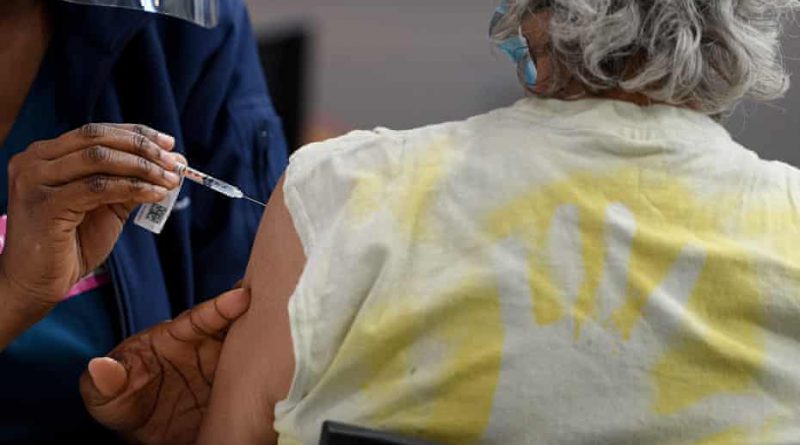
According to health officials, vaccination coverage among Aboriginal and Torres Strait Islander children remains relatively high, with rates for five-year-olds standing at 94.33%. However, experts say maintaining community protection will require stronger uptake of booster vaccinations among adults.Health leaders believe improved booster coverage, combined with more effective contact tracing and rapid antibiotic treatment, can eventually bring the outbreak under control.
They also argue that future responses to communicable disease threats in Indigenous communities should involve Aboriginal community-controlled health organisations from the earliest stages of planning and intervention.
The outbreak has renewed broader discussions about healthcare access, public health preparedness and the challenges of delivering disease control measures across some of Australia’s most remote Indigenous communities.