
Melbourne Arson Attacks Highlight Growing Use of Teenagers in Organised Crime Networks
“Organised crime are out there recruiting kids; we’re out there recruiting our law enforcement and government partners to work on this holistically.”
A series of arson attacks targeting Melbourne’s hospitality and liquor sectors has drawn attention to the increasing involvement of teenagers in organised criminal activity, with police warning that young offenders are being recruited as low-cost operatives to carry out high-risk attacks.
Investigators examining the attacks, which have been linked to what authorities describe as the city’s ongoing “hospitality wars,” say criminal groups are increasingly turning to juveniles because they are viewed as expendable and face less severe legal consequences than adult offenders.
Law enforcement officials have indicated that some young people involved in the attacks were allegedly offered less than A$1,000 to carry out acts of arson.Police have argued that organised crime groups are exploiting the differences between youth and adult sentencing frameworks, allowing criminal networks to distance themselves from direct involvement while relying on minors to execute attacks.
Authorities say the trend presents a significant challenge because it combines organised criminal planning with the recruitment of young people who often have limited prior contact with the justice system.
The issue has become more prominent following several attacks on hospitality-related businesses across Melbourne, including the firebombing of the Keysborough headquarters of liquor company 80 Proof on April 23 and a fire at Melbourne CBD venue Bar Bambi two days later.
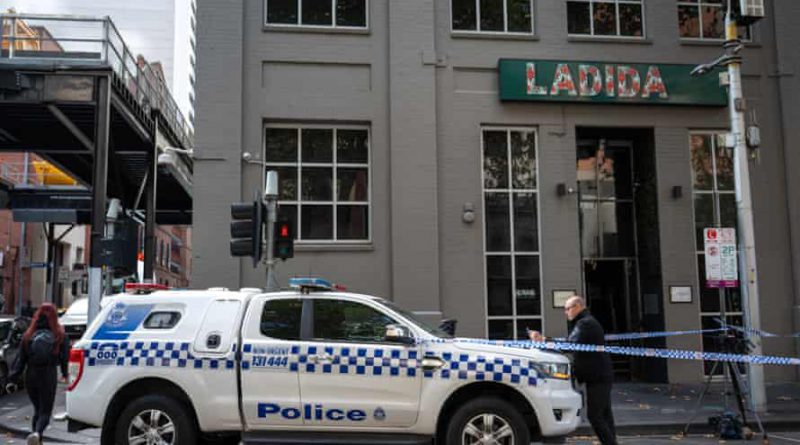
More recently, Ladida nightclub was attacked on May 5 as part of the broader pattern of incidents under investigation.Two teenagers charged over some of the earlier attacks have already been sentenced and released into the community. The youths, aged 15 and 16, pleaded guilty to offences connected to the attacks on 80 Proof and Bar Bambi.
According to court outcomes, both teenagers had no prior convictions before the offences.The court imposed youth supervision orders rather than custodial sentences. Such orders require offenders to comply with strict conditions while remaining in the community for a specified period.
One of the teenagers was released without a conviction being recorded.The sentencing outcomes have prompted concern among some business owners affected by the attacks, particularly those who suffered significant financial losses. The owners of 80 Proof said the fire caused extensive damage to company property and inventory, with the destruction of a building valued at more than A$3 million and stock estimated at approximately A$1 million.
In a joint statement, the owners questioned whether the punishment reflected the seriousness of the offending. They argued that the consequences extended beyond property damage and had significant effects on employees and business operations.“This was not a minor offence,” the owners said, noting that the fire resulted in the loss of eight jobs and severely affected the livelihoods of another 15 workers.
They said many of those impacted had families who depended on the business for income.The owners also pointed to comments made during sentencing proceedings, saying the judge acknowledged the seriousness of the offences and noted that nobody had been physically injured.
However, they argued that the broader consequences of the attack should also be considered.“Even the judge reportedly acknowledged it was serious offending and that it was lucky nobody was physically hurt,” the statement said. “The reality is a lot of people were hurt by their actions; emotionally, financially, professionally and psychologically.”
The business owners said they believed the penalties imposed did not adequately reflect the damage caused by the attack and expressed concern about the potential message sent by the sentencing outcome.“At the moment, it feels like victims, businesses and employees are the ones carrying the real punishment while the actual offenders face very little accountability,” the statement said.
“We do not believe justice was served today, and we are deeply concerned by the message this sentencing sends.”The case highlights the tension between youth justice principles, which often emphasize rehabilitation for first-time offenders, and the concerns of businesses and victims seeking accountability for serious crimes.
Courts typically take into account factors including age, prior criminal history, guilty pleas and prospects for rehabilitation when determining sentences for juvenile offenders.
Police, meanwhile, have continued to focus on the broader criminal networks believed to be behind the attacks. Investigators view the teenagers who carried out individual incidents as only one part of a larger criminal ecosystem in which organisers recruit younger people to perform tasks while attempting to shield senior figures from direct legal exposure.
Law enforcement officials say disrupting those recruitment pipelines has become a central objective. Authorities have stressed that the response requires cooperation across government agencies and law enforcement bodies rather than focusing solely on individual offenders.
The comments reflect growing concern among investigators that organised crime groups are adapting their methods in response to policing pressures. By using minors with little or no criminal history, criminal networks can reduce costs, complicate investigations and limit the risk of lengthy prison sentences for those carrying out attacks.
For businesses caught up in the violence, however, the immediate concern remains the damage caused by the attacks and the uncertainty surrounding the motives behind them. An owner of 80 Proof said the company still does not know why it was targeted.
According to the owner, police have advised that the incident is being treated as part of the broader pattern of arson attacks under investigation.Authorities have not publicly identified the individuals or groups believed to be directing the attacks, and investigations into the wider network remain ongoing.
Police continue to examine links between multiple incidents across Melbourne’s hospitality and liquor industries as they seek to determine who organised the attacks and why specific businesses were selected.


