Australia’s Rising Shark Bite Numbers Fuel Public Anxiety as Scientists Search for Answers
“People just want to know why. We don’t have a definitive answer, but we do know some things.”
A series of recent shark attacks along Australia’s coastline has heightened public concern and renewed scientific scrutiny of a long-term rise in shark bite incidents, even as researchers caution that no single factor can fully explain the trend.
The latest incident occurred off Sydney when 34-year-old Leah Stewart suffered severe injuries from a suspected great white shark attack while swimming at a patrolled beach. Stewart was in clear water, between safety flags and during daylight hours, circumstances generally regarded by experts as reducing the likelihood of a shark encounter. She remains in critical condition after undergoing the amputation of one arm.
The attack has intensified anxiety among swimmers, surfers and beachgoers in Australia’s largest city. Sydney’s beaches have experienced several shark-related incidents in recent months, prompting some regular ocean users to reconsider entering the water.
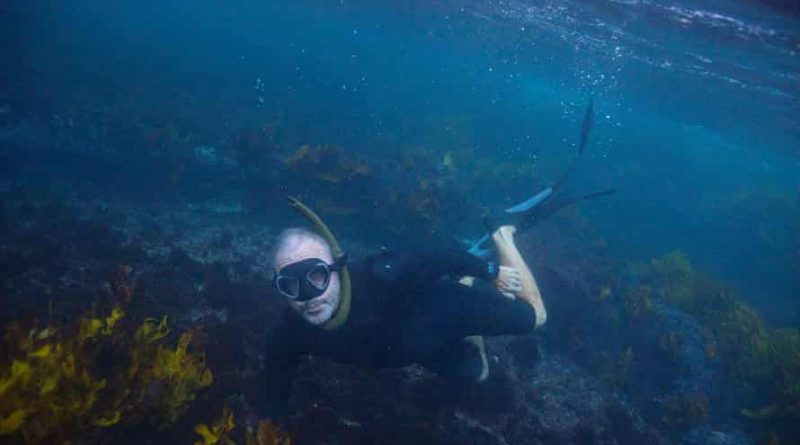
Among them is Rob Harcourt, an emeritus professor at Macquarie University and head of its marine predator research group. A long-time surfer and swimmer, Harcourt says the recent incidents have had a noticeable psychological impact on coastal communities.
According to Harcourt, many experienced surfers have become reluctant to enter the water following the attacks. He describes a sense of unease that extends beyond those directly affected, reflecting broader fears about changing conditions in Australia’s coastal waters.
Australia ranks second globally behind the United States in the number of shark bites involving humans. However, while global trends have remained relatively stable, Australian data indicate a sustained increase in incidents over recent decades.
Researchers point out that Australia’s major population centers overlap with the habitats of three shark species most commonly associated with serious attacks: the great white shark, tiger shark and bull shark.
Data compiled through the Australian Shark Incident File show that during the 1950s, the country recorded an average of approximately 3.1 unprovoked shark incidents each year. These incidents include bites and attempted bites but exclude encounters involving provocation or activities such as spearfishing.
The number of incidents increased gradually over subsequent decades before accelerating in the early 2000s. During that period, annual incidents averaged around 12. In the current decade, the figure has risen to approximately 21 incidents per year.
Fatalities have also increased. Records indicate that shark-related deaths averaged about 1.7 annually during the 1950s. That figure has risen to approximately 3.8 deaths per year so far during the 2020s.
Experts note that improvements in emergency response capabilities may have prevented an even larger increase in fatalities. Faster medical intervention, enhanced rescue services and the widespread availability of tourniquet kits at surf lifesaving clubs have improved survival prospects for victims suffering traumatic injuries.
Interpreting the rise in incidents remains challenging. Population growth alone does not provide a complete explanation because available statistics do not account for how many people enter the water, how frequently they do so or whether they participate in activities that increase exposure to shark habitats.
Researchers have examined numerous possible contributing factors. A review of shark bite studies identified approximately 40 variables that have been proposed as influencing risk. These range from the growing popularity of surfing and other board sports to environmental factors such as proximity to river mouths and coastal ecosystem changes.
Despite these theories, scientists acknowledge that many proposed explanations remain insufficiently studied. Comprehensive research examining the relative importance of individual factors remains limited.
One area attracting increasing attention is the effect of ocean warming. Scientists say rising sea temperatures are altering marine ecosystems and influencing the distribution and behavior of numerous species, including sharks.
Warmer waters may encourage some shark species to spend longer periods in coastal areas where human populations are concentrated. This could increase the likelihood of encounters between sharks and people without necessarily indicating a substantial increase in shark numbers.
At the same time, monitoring programs have not detected clear evidence of dramatic population growth among the species most often associated with serious attacks. Data collected through shark net programs suggest that changes in shark abundance alone may not account for the rising number of incidents.
Researchers emphasize that shark behavior, prey availability, environmental conditions and human activity patterns likely interact in complex ways. These factors can vary significantly across regions and seasons, making it difficult to identify a single national explanation.
The challenge for scientists is compounded by the rarity of shark bites relative to the millions of recreational visits made to Australian beaches each year. Because serious incidents remain uncommon, establishing statistically robust conclusions can be difficult.
For coastal communities, however, recent attacks have reinforced concerns about safety in the ocean. While experts continue to investigate the drivers behind the increase, they stress that the overall risk of a shark attack remains low despite the upward trend in incidents.
Researchers argue that understanding how climate change, marine ecosystems and human behavior intersect will be critical to improving risk assessments and informing public safety measures. Until clearer answers emerge, Australia’s growing number of shark encounters is likely to remain a subject of public debate and scientific investigation.