Silent Killer: Why Sudden Cardiac Death Remains One of the Leading Causes of Death Among Young Australians
“The child goes off to school and doesn’t come home, or goes to bed and doesn’t wake up. They go from being perfectly well to not being there at all.”
Despite decades of progress in reducing deaths from cardiovascular disease, sudden cardiac death continues to claim the lives of young Australians at a rate that experts say has changed little over the past half century.
The issue has drawn renewed attention following a series of tragic cases involving otherwise healthy children and teenagers. Among them was 17-year-old Edward Millear, who died after rowing training on the banks of Melbourne’s Yarra River. Fourteen-year-old Joshua Oguns collapsed during a basketball game in Canberra, while 15-year-old Kent Yamazaki died while playing tennis in Perth.
Medical experts say these cases illustrate the devastating and often unpredictable nature of sudden cardiac arrest, a condition in which the heart unexpectedly stops functioning. Without immediate intervention, survival chances are extremely low. Studies estimate that approximately 90 percent of sudden cardiac arrest cases prove fatal. When resuscitation efforts fail, the event is classified as sudden cardiac death.
The persistence of these fatalities stands in contrast to broader cardiovascular health trends. Public health campaigns, improved medical screening and advances in treatment have contributed to an estimated 80 percent decline in cardiovascular disease deaths over the past five decades. However, specialists say the incidence of sudden cardiac death among younger Australians has remained largely unchanged.
Although statistically uncommon, sudden cardiac death is one of the leading causes of mortality among children, adolescents and young adults. According to cardiologists, it accounts for more deaths in these age groups than road accidents and several forms of cancer.
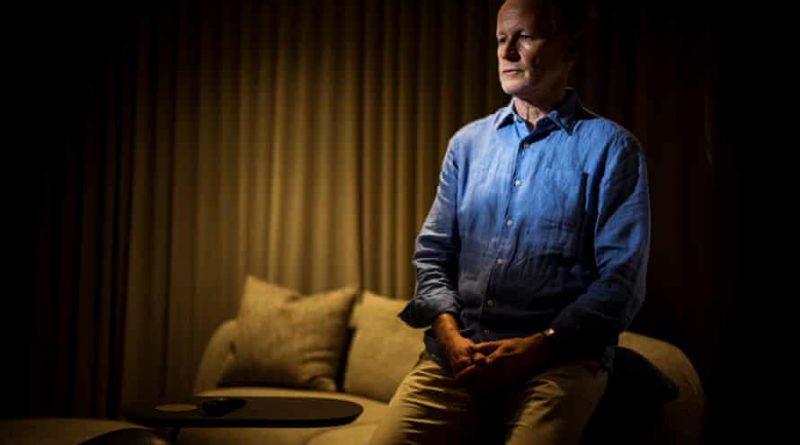
Professor André La Gerche, an academic cardiologist and head of the Heart Laboratory supported by St Vincent’s Institute of Medical Research and the Victor Chang Cardiac Research Institute, said the impact on families is profound because the deaths often occur without warning.
He noted that many victims appear healthy and active immediately before their collapse, leaving relatives struggling to comprehend the sudden loss. According to La Gerche, public awareness remains limited despite the significance of the issue.
La Gerche, who chairs the Australian Sudden Cardiac Arrest Alliance, said both research funding and public education efforts remain insufficient. He argued that the perception that young people rarely die from cardiac causes continues to influence public understanding and even attitudes within parts of the medical community.
Cardiologists distinguish between heart attacks and sudden cardiac arrest. While heart attacks occur when blood flow to part of the heart is blocked, sudden cardiac arrest is an electrical failure that causes the heart to stop beating effectively. The result is an immediate loss of consciousness and the urgent need for resuscitation.
Dr. Elizabeth Paratz, a cardiologist affiliated with St Vincent’s Institute of Medical Research and the Victor Chang Cardiac Research Institute, described sudden cardiac arrest as the final event in a variety of underlying conditions.
She explained that the heart can stop functioning for numerous reasons, but the defining characteristic is its abrupt and dramatic onset. Victims typically lose consciousness immediately, often leaving little time for intervention unless emergency assistance is available.
The causes of sudden cardiac death vary according to age. In children, inherited electrical disorders known as arrhythmias are among the most common explanations. These conditions disrupt the electrical impulses that coordinate heart muscle contractions and maintain a normal heartbeat.
Among older teenagers and young adults, inherited structural heart abnormalities known as cardiomyopathies become more prevalent. These disorders affect the heart muscle itself and can lead to electrical disturbances, impaired pumping ability or fatal rhythm abnormalities.
Yet one of the most challenging aspects of the condition is that many deaths remain unexplained even after detailed post-mortem examinations. Forensic pathologists frequently encounter cases in which no visible abnormality can be detected in the heart.
According to specialists, approximately 40 percent of fatal cases involving young people are ultimately classified as “unascertained,” meaning no definitive cause can be identified despite extensive investigation.
Paratz said unexplained cases are particularly common among younger children. In many instances, the heart appears structurally normal, making it difficult for pathologists to determine why it suddenly stopped functioning.
The absence of clear answers creates additional challenges for grieving families and highlights significant gaps in scientific understanding. Researchers are increasingly focused on genetic analysis and advanced diagnostic techniques to identify hidden conditions that may not be visible through conventional autopsy methods.
Medical experts argue that greater awareness, improved screening and expanded research efforts are needed to address a problem that continues to affect families across Australia. While sudden cardiac death remains relatively rare, its disproportionate impact on young and otherwise healthy individuals has made it a growing concern for cardiologists, researchers and patient advocacy groups seeking to reduce preventable fatalities.