Turkey Urges Syria Ceasefire to Continue During Islamic State Prisoner Transfers to Iraq
Istanbul – Turkey has called for the current ceasefire in Syria to remain firmly in place while Islamic State detainees are transferred from Syrian territory to neighbouring Iraq. Turkish officials stressed that maintaining calm during the sensitive transfer process is essential to reduce security risks and prevent further instability in an already fragile region.
The appeal reflects Ankara’s growing concern that any breakdown in the truce could create opportunities for militant regrouping or trigger violence in northern and eastern Syria. Officials believe that a stable security environment is critical when dealing with high-risk prisoner movements involving extremist groups.
Turkey’s foreign minister stated that the ceasefire between Syrian government forces and the Kurdish-led Syrian Democratic Forces plays a crucial role in ensuring safe coordination during the transfer of detainees. Without a functioning truce, clashes or disruptions could undermine efforts to control Islamic State remnants.
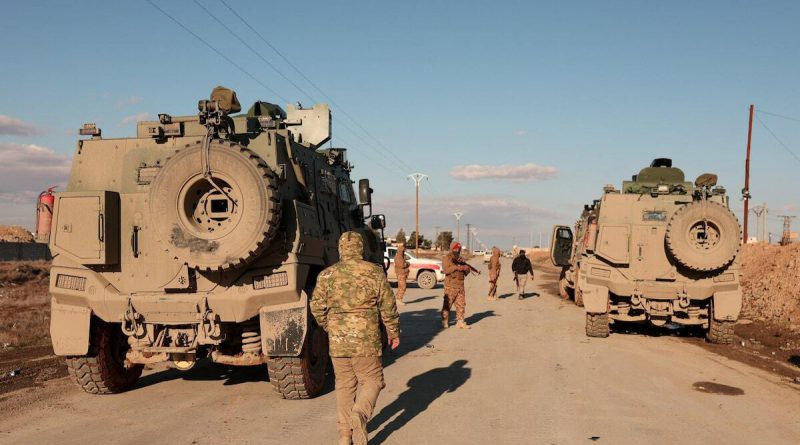
The presence of thousands of Islamic State prisoners in Syria has long posed a challenge for regional and international security. Many detainees are held in facilities guarded by local forces that face limited resources and constant threats of escape attempts or coordinated attacks.
Turkey argues that transferring detainees to Iraq could help reduce pressure on Syrian detention facilities, but only if the process is handled carefully. Any instability during transfers could allow militant cells to exploit gaps in security, increasing the risk of violence across borders.
Northern and eastern Syria remain politically and militarily complex, with multiple actors operating in close proximity. A ceasefire helps prevent misunderstandings and accidental confrontations, especially at a time when attention is focused on logistical and security coordination.
Turkish officials emphasised that disruptions to the truce could trigger broader consequences beyond Syria’s borders. Ankara fears that renewed fighting could fuel refugee movements, embolden extremist networks, and threaten regional trade and energy routes.
The issue also highlights the broader challenge of dealing with Islamic State detainees years after the group’s territorial defeat. While the organisation no longer controls territory, its ideology and networks continue to pose a threat to regional stability.
Turkey has repeatedly warned that prison breaks or poorly managed transfers could reverse hard-won gains against extremist groups. Officials stress that cooperation among regional actors is essential to prevent militants from exploiting political or military gaps.
The ceasefire is seen as a practical tool rather than a political settlement, aimed at managing immediate risks rather than resolving deeper conflicts. Turkish leaders argue that even temporary stability can significantly reduce the likelihood of violent incidents during sensitive operations.
Observers note that prisoner transfers involve not only physical security but also intelligence sharing and coordination between governments. A breakdown in trust or communication could undermine the entire process.
Turkey’s stance reflects a broader regional desire to prevent Syria from becoming a renewed hub for extremist activity. Maintaining calm during transfers is viewed as a necessary step toward containing long-term security threats.
The situation underscores how unresolved conflicts continue to complicate counterterrorism efforts across the Middle East. Even routine security operations can carry high risks in contested and unstable environments.
As transfers proceed, the durability of the ceasefire will be closely watched by regional governments and security analysts.
Any escalation could have consequences far beyond Syria’s borders.