Regional Leaders Call for Ceasefire Adherence and De-escalation in Gaza
London – Regional diplomatic efforts intensified as Qatar, Jordan, and Egypt emphasized the importance of respecting the existing ceasefire framework in Gaza and avoiding actions that could heighten tensions. Officials from the three countries highlighted the need for restraint, dialogue, and continued engagement to preserve calm and protect civilians.
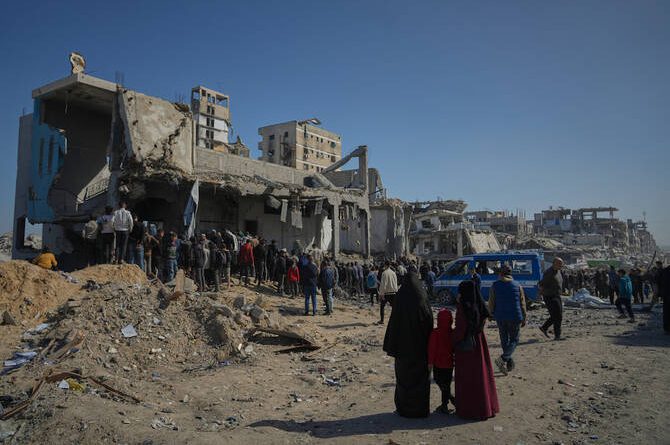
Recent developments in Gaza have renewed international focus on the fragility of ceasefire arrangements and the broader humanitarian situation. Regional actors underlined that maintaining stability is essential for ensuring access to aid, supporting recovery efforts, and preventing further disruption to daily life in the enclave.
Qatar stressed that sustained calm is vital for advancing political pathways aimed at de-escalation and longer-term stability. Doha called for full adherence to agreed mechanisms and encouraged all stakeholders to act responsibly in order to safeguard ongoing diplomatic initiatives.
The Qatari leadership also highlighted the importance of creating conditions that allow for early recovery and reconstruction. Emphasis was placed on supporting civilians, rebuilding infrastructure, and ensuring that humanitarian efforts are not impeded by renewed tensions.
Jordan echoed similar sentiments, urging strict compliance with ceasefire understandings and a renewed commitment to humanitarian access. Officials emphasized that uninterrupted delivery of assistance is crucial for addressing urgent needs and supporting vulnerable populations.
Amman also reiterated the importance of sustained international engagement and cooperation. Jordan’s position underscored that long-term peace requires a clear political horizon supported by diplomacy, international law, and multilateral coordination.
Egypt, which has played a long-standing mediating role, emphasized the need to preserve calm and prevent any actions that could destabilize the situation. Cairo highlighted that restraint remains key to maintaining progress achieved through earlier negotiations.
Egyptian officials warned that setbacks could undermine security and humanitarian efforts alike. They stressed that stability is necessary to allow relief operations, early recovery planning, and confidence-building measures to move forward effectively.
Across the region, there is growing consensus that de-escalation serves the interests of all parties involved. Regional governments continue to encourage constructive engagement, respect for agreed arrangements, and support for diplomatic solutions that prioritize civilian well-being.
International observers note that sustained calm would help reinforce trust in mediation efforts and reduce risks of wider regional spillover. Maintaining dialogue and adherence to commitments is viewed as essential for preventing further instability.
The humanitarian situation remains a central concern, with regional actors consistently calling for the protection of civilians and facilitation of aid. These efforts are seen as foundational steps toward rebuilding and restoring normalcy.
As diplomatic consultations continue, Qatar, Jordan, and Egypt reaffirmed their readiness to work with international partners. Their shared message emphasizes restraint, cooperation, and a renewed focus on stability as the most viable path forward.